
发布日期:2026-10-16
教授观点 | Ben Charoenwong:中国主权财富基金购买ETF能否稳定金融市场?(双语)
教授观点 | Ben Charoenwong:中国主权财富基金购买ETF能否稳定金融市场?(双语)
发布日期:2023-11-22 15:56


教授简介

Ben Charoenwong教授
新加坡国立大学商学院
金融系
近日,中国主权财富基金旗下的中央汇金投资公司宣布购买交易型开放式指数基金(ETF),此举旨在稳定中国的金融市场和经济。今年,上海综合指数已下跌超过10%,全球投资者正在撤出市场。尽管中央汇金在2013年6月和2015年7月购买ETF后,股市在三个月内增长了20%以上,但这是否足以抵御即将到来的经济衰退?
我们可以从日本的经验中获得启示。日本央行已连续10年以上购买相当于GDP约3.5%的ETF,总额约为1800亿美元,这是中央汇金近期购买量的120倍以上。
日本央行的经验对比
在一篇研究论文中,我与阿尔伯塔大学的Randall Morck和我的同事Yupana Wiwattanakantang发现,日本央行的购买行为提振了股价,与中央汇金在2013年和2015年的经验相似。这些购买还增加了股票发行,为公司提供了更多的流动资金。但这些购买并未增加大多数公司的资本投资或增长。
我们认为,日本央行购买的有限实际经济影响,是因为它们没有针对特定需要资本的行业或公司。
实际上,政府购买了更多不需要资本且不太可能面临财务约束的公司的股份。日本央行的购买并未刺激大多数公司的资本投资,只有那些公司治理较弱的公司受到了刺激。这表明,购买并未促进生产性投资,而促进了CEO的无效扩张。
中国的近期经验与日本央行的购买相似,但两者之间存在一些差异。首先,中国购买的规模要小得多,相当于GDP的不到0.01%,而日本央行的购买相当于3.5%。其次,中国购买的动机可能更为防御性,旨在对抗海外投资者的抛售和防止市场进一步下滑,而不是刺激市场增长。
经济效果
尽管中国的购买可能会暂时提振股价,但它可能不会导致公司增加资本筹集或投资,尤其是考虑到高债务负担、政策不确定性或需求疲软等基本问题。
日本央行的经验进一步表明,即使是大规模的购买,也似乎无法通过广泛的私营部门公司投资刺激经济增长。
此外,房地产市场中不良贷款的存在构成了一个重大障碍。
中国可以更直接地将财政刺激定向到具有更高潜力和社会价值的领域,而不是盲目购买ETF来提振股价,从而使投资者、对冲基金和CEO受益,同时增加非生产性的公司现金持有。中国过去并未回避这种有针对性的政策。这些工具也可以与旨在培育更具竞争力和包容性的市场环境的政策结合使用,以提高透明度,并适当地将损失和收益分配给相应的风险承担者,以避免扭曲的激励,这可能最终使纳税人承担更多的成本。
扫码阅读研究报告原文
Bank of Japan Equity Purchases: The (Non-)Effects of Extreme Quantitative Easing* | Review of Finance | Oxford Academic (oup.com)

研究报告原文
Bank of Japan Equity Purchases: The (Non-)Effects of Extreme Quantitative Easing
Ben Charoenwong, Randall Morck, Yupana Wiwattanakantang
Review of Finance,Volume 25,Issue 3,May 2021,Pages 713–743,
https://doi.org/10.1093/rof/rfaa029
With the onset of the Covid-19 pandemic, the financial press has reported that central banks around the world such as the European Central Bank and the Bank of Israel have contemplated buying equity to further boost economic growth. Are massive equity purchases by central banks an effective alternative monetary policy stimulus that other central banks might use amid near zero or negative interest rates when debt market interventions grow ineffective?
In this paper, we exploit a unique empirical setting in Japan, where the Bank of Japan (BOJ) has pioneered a unique form of quantitative easing: the central bank buying and holding large equity blocks in domestic corporations since December 2010. Through March 2018, the BOJ accumulated equity index-backed exchange-traded fund (ETF) holdings worth almost ¥19.3 trillion, equivalent to 3.5% of GDP or over 75% of the total ETF market. So far, the BOJ is the only major central bank to have purchased domestic equities on such a scale. Of empirical relevance is the plausibly exogenous cross-sectional heterogeneity in index weights due to price-weighting schemes and differential index inclusion.
We find the BOJ’s ETF purchases (1) increase share prices relative to a market-weighted benchmark, (2) lead firms to raise more capital through secondary equity offerings, but (3) do not predict substantially increased corporate investment on average, but rather predict increased holdings of cash and other current assets. We conclude that these BOJ equity purchases have scant expansionary impact on corporate actions but can temper bankruptcy risk.
However, we also find evidence such purchases likely exacerbate “empire-building” problems as BOJ equity purchases are associated with increased investment in the subsample of firms without valuable growth opportunities and with weak corporate governance.
Our findings suggest that central bank purchases of equities are a problematic tool for stimulating economic growth through high broad-based private-sector corporate investment. We believe that Japan’s institutions and recent economic history leave its experience relevant to policy-makers elsewhere.
#推荐阅读#
招生简章及奖学金公告 | 新加坡国立大学2024级中文EMBA硕士学位课程
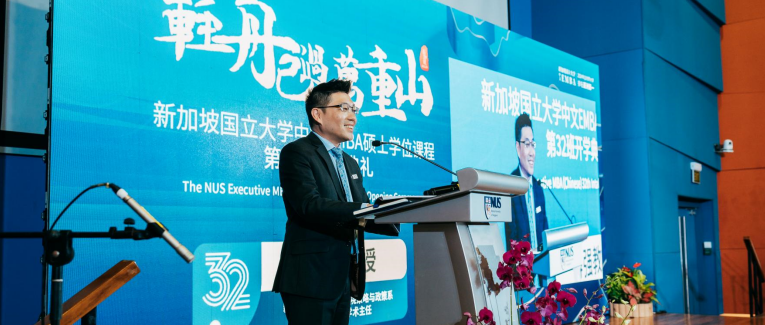
傅强教授:不是所有流浪的人,都迷失了方向 | 2023年新国大中文EMBA开学演讲
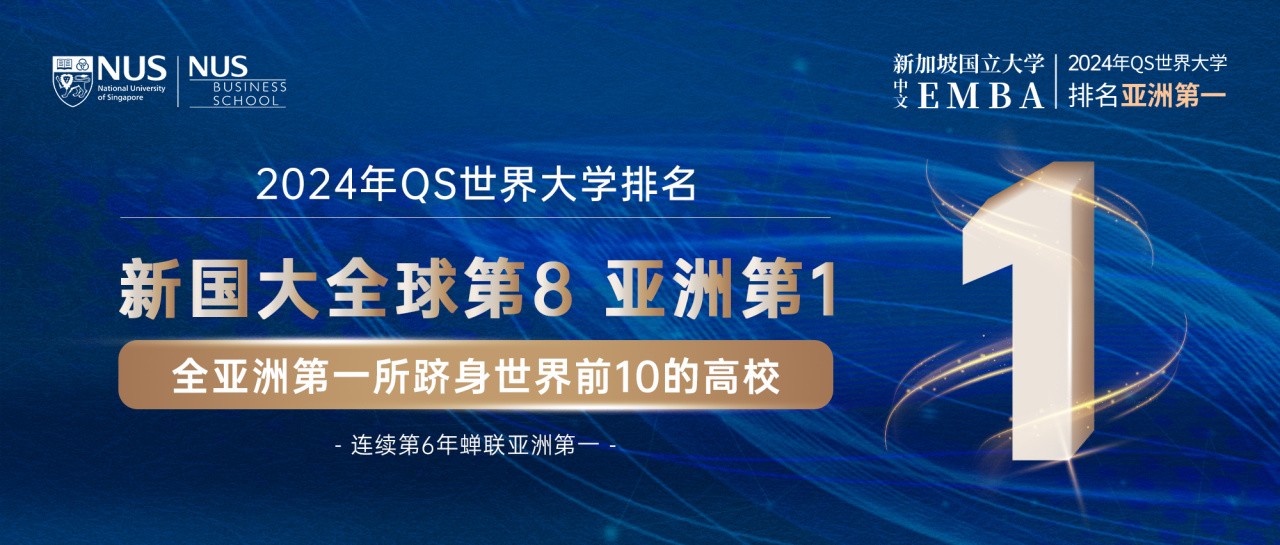
新加坡国立大学全球第八!2024年最新QS世界大学排名发布

教授观点(点击学者名字,阅读更多文章)
罗安著| 武耀恒 | 傅强 | 程天富 | 李秀平| 李彦德 | 刘其章 | 梁慧思 | 周宏骐 | 段锦泉 | 柯滨 | 乌耀中 | 施永丰 | 黄幸亮 | 吕晓慧 | 六月七月学段 | 书单推荐
行业资讯、校友动态(点击行业,阅读更多文章)
互联网创业 | 法律行业 | 金融科技 | 互联网金融 | 创新创业 | 优秀企业家| 元宇宙| 数字化转型 | 新加坡投资 | 创新创业 | 疫情新机遇 | 科技企业 | 餐饮服务 | 职业教育 | 铁路工程 | 服饰 | 生物科技 | 共享办公 | 财务管理 | 电力器材 | 商业银行 | 生态环境 | 数据安全|矿物能源|智库平台|企业突围与转型|东南亚新机遇| 疫情防控 | 投资银行 | 健康管理 | 生态共享办公 | 豪华游艇业 |元宇宙教育 |新乳业发展
联系方式
电话:
+65 6601 6944 +65 6601 7753
+65 6516 8656 +65 6516 8352

识别二维码添加好友
邮件:embac@nus.edu.sg
地址:
商学院中文EMBA招生办公室
新加坡国立大学商学院研究生办公室
NUS Business School, 15 Kent Ridge Drive,
Singapore 119245
网站:embac.nus.edu.sg
*声明:新加坡国立大学中文EMBA项目为国大商学院自主招生,无任何中介机构合作,无招生代理。申请人可直接联系商学院中文EMBA市场招生办公室进行咨询和申请。
点击“阅读原文”即刻申请新国大中文EMBA
分享到: