


发布日期:2026-10-16
英文EMBA学员分享 | 跳出“舒适区”:在亚洲七城,重构全球化决策坐标
英文EMBA学员分享 | 跳出“舒适区”:在亚洲七城,重构全球化决策坐标
发布日期:2026-02-04 09:59


在全球经济格局重塑,企业国际化步伐加速的当下,越来越多企业家意识到:真正的挑战,已经不只是“走出去”,而是如何在完全不同的制度、市场与文化中,持续做出正确决策。
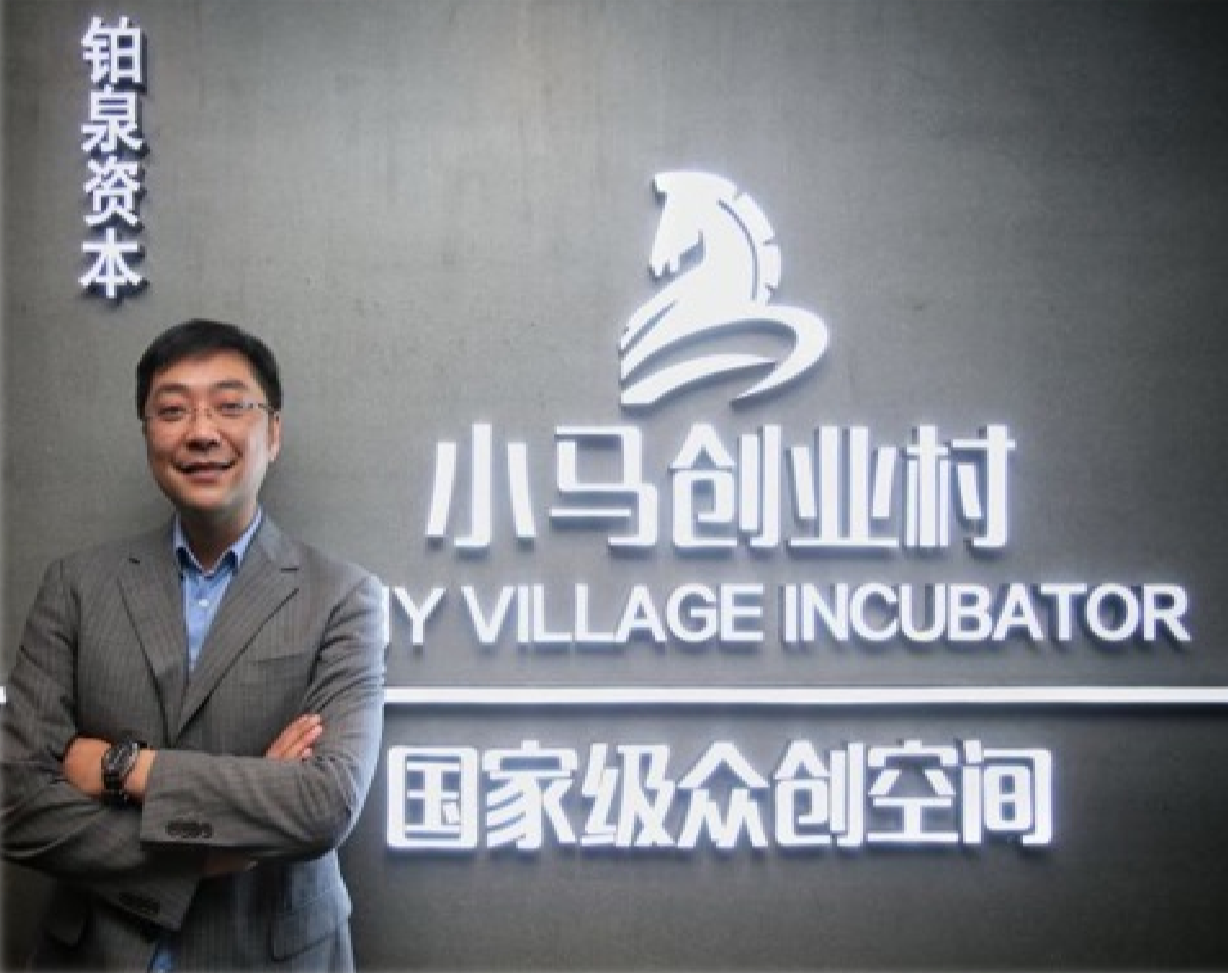
铂泉资本创始合伙人、上海小马创业村科技集团有限公司董事长马俊杰(Scott)在半导体与硬科技投资领域深耕多年的企业家,在企业出海的关键时刻,没有选择留在熟悉的语言环境,而是选择加入NUS EMBA(英文)项目,为企业全球化布局积蓄能量。
他的这段经历,或许能回答一个核心问题:在这个时代,中国企业家为何需要跳出舒适区,进入一个英文主导的全球课堂?
不是游学,是七次认知切换
NUS EMBA(英文)课程最具差异化的核心壁垒,在于其“多样化的市场体验”。
15个月的课程,足迹遍布新加坡、雅加达、上海、东京、迪拜、班加罗尔、曼谷7个城市。
这绝非简单的“游学”,而是在不同制度环境、市场成熟度与商业逻辑之间,反复切换认知坐标系。
在新加坡
在雅加达
在曼谷
在迪拜
在东京
在班加罗尔
在上海
马俊杰 (Scott) 在印尼模块中,敏锐地察觉到了巨大的市场机会:“印尼不到3亿人口,平均年龄不到30岁,这像极了20年前的中国。”
他助力中国两轮电动车供应链企业对接了印尼3000万个头盔的市场刚需,实现“中国供应链”与“本土化需求”的有效结合。
每一座城市,代表着亚洲经济版图的一块拼图。
这种不断切换环境的学习方式,让课堂本身成为一场真实的全球商业实战模拟。

在非母语语境下,训练真实的全球决策
“出海已不仅是一种选择,而是大势所趋。”马俊杰 (Scott) 在分享中多次强调。
但在他看来,真正的全球化布局绝非简单的业务平移,而是进入一个“无法退回中文舒适区”的深度跨境之旅。
为此,他果断选择NUS EMBA(英文),这并非单纯的“英文授课”,而是一种更接近真实全球商业环境的训练,能够帮助你:
在非母语环境中做战略讨论
在多文化语境下化解分歧
在不同价值观中形成共识
马俊杰 (Scott) 对此深有感触。他分享了一个有趣的细节:“在国内,我们习惯围坐在大圆桌旁吃饭,主次分明。但在NUS EMBA(英文),更多的是西式酒会。没有座位,大家端着酒杯站着聊,你可以随时加入任何一个圈子,学会如何在三分钟内用英语讲清楚你的商业逻辑。”
从“走出去”到“走进去”的软着陆
马俊杰 (Scott) 提到:“NUS在美国硅谷、东南亚都有Block 71孵化器。对于我们这种硬科技投资人和创业者来说,当你进入一个陌生市场,如果能直接通过学校的孵化器落地,不仅解决了办公场地,更重要的是瞬间接入了当地的科创社区和政策资源。”
这种资源触达不仅体现在物理空间,更延伸至跨国界的人才连接。
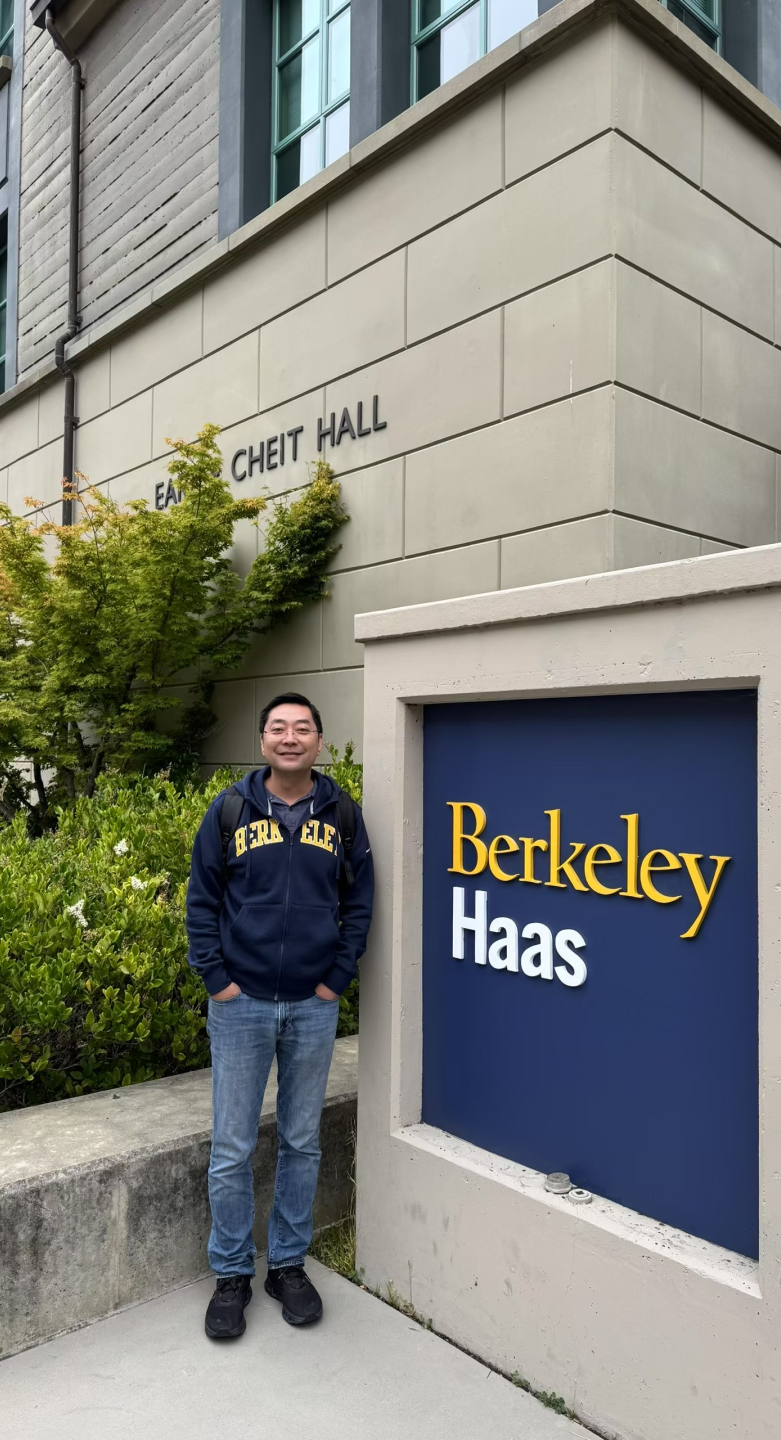
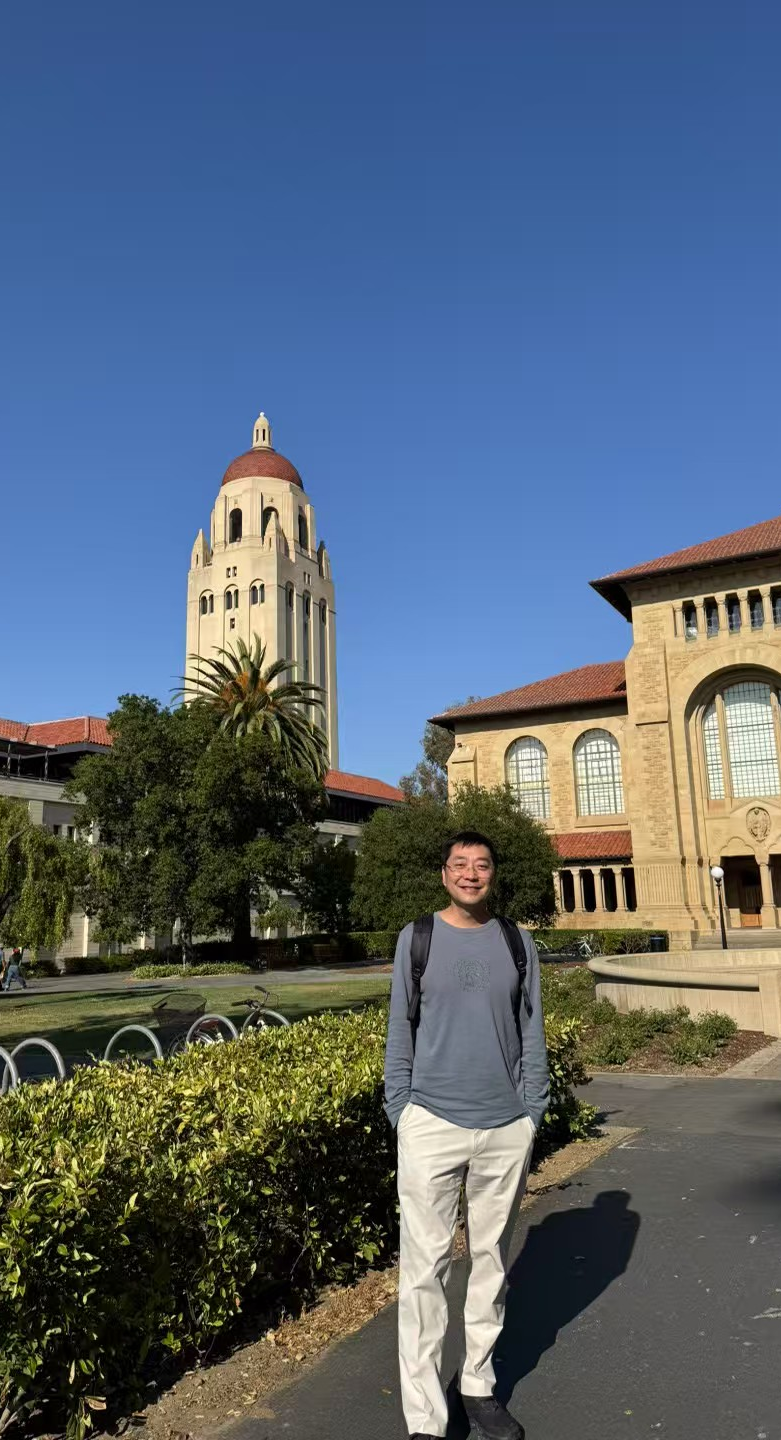
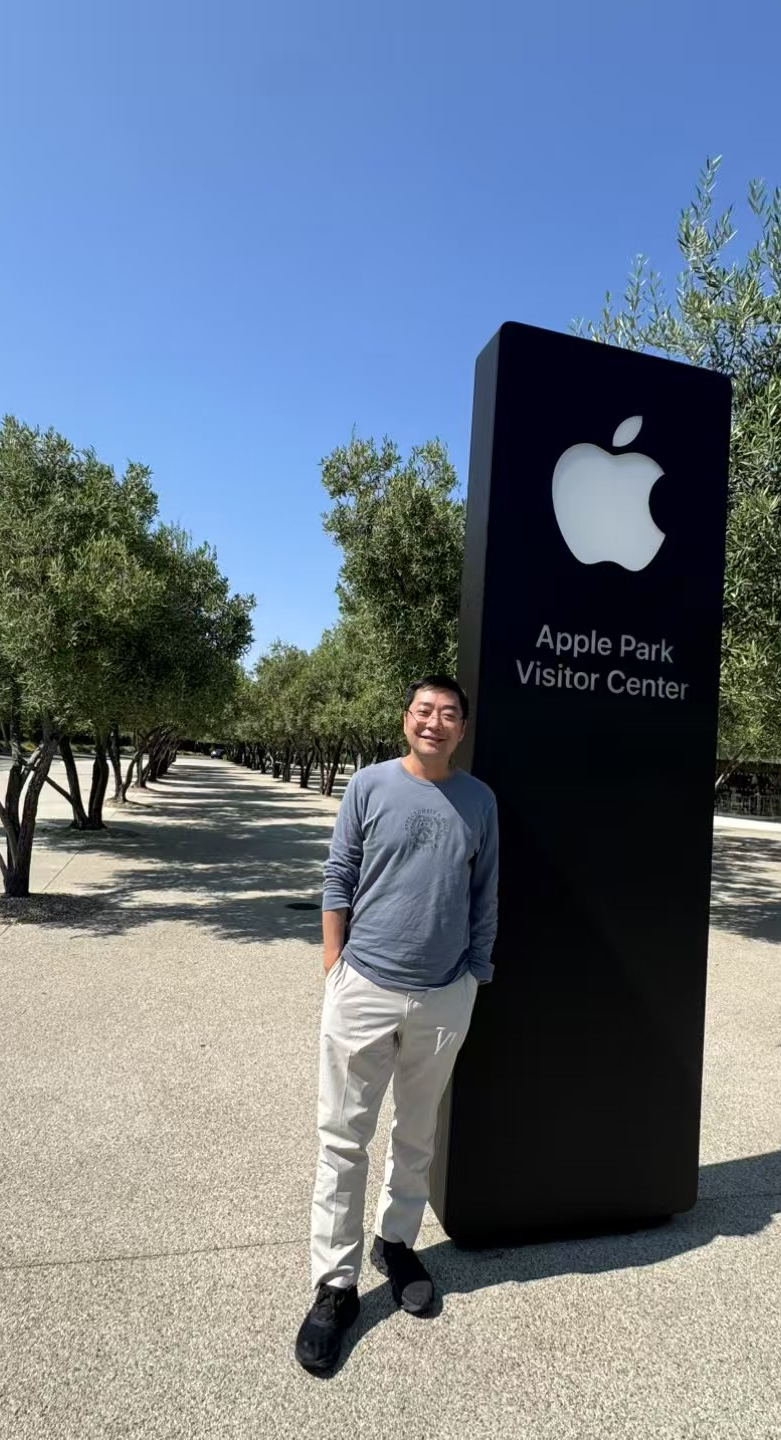
依托NUS EMBA(英文)所连接的全球化学习平台,马俊杰 (Scott) 深刻感受到,这一项目所构建的并非以单一国家或区域为中心的校友网络,而是一个真正多元、跨制度的全球高管社群。
通过GNAM(全球高等管理教育联盟)举办的 “EMBA学生全球交流周”,他与来自全球33家顶尖商学院、不同行业背景的EMBA学员进行线下实地交流,直面各自市场中的真实管理议题。
此外,多样化的选修模块进一步强化了这种全球深度参与感。
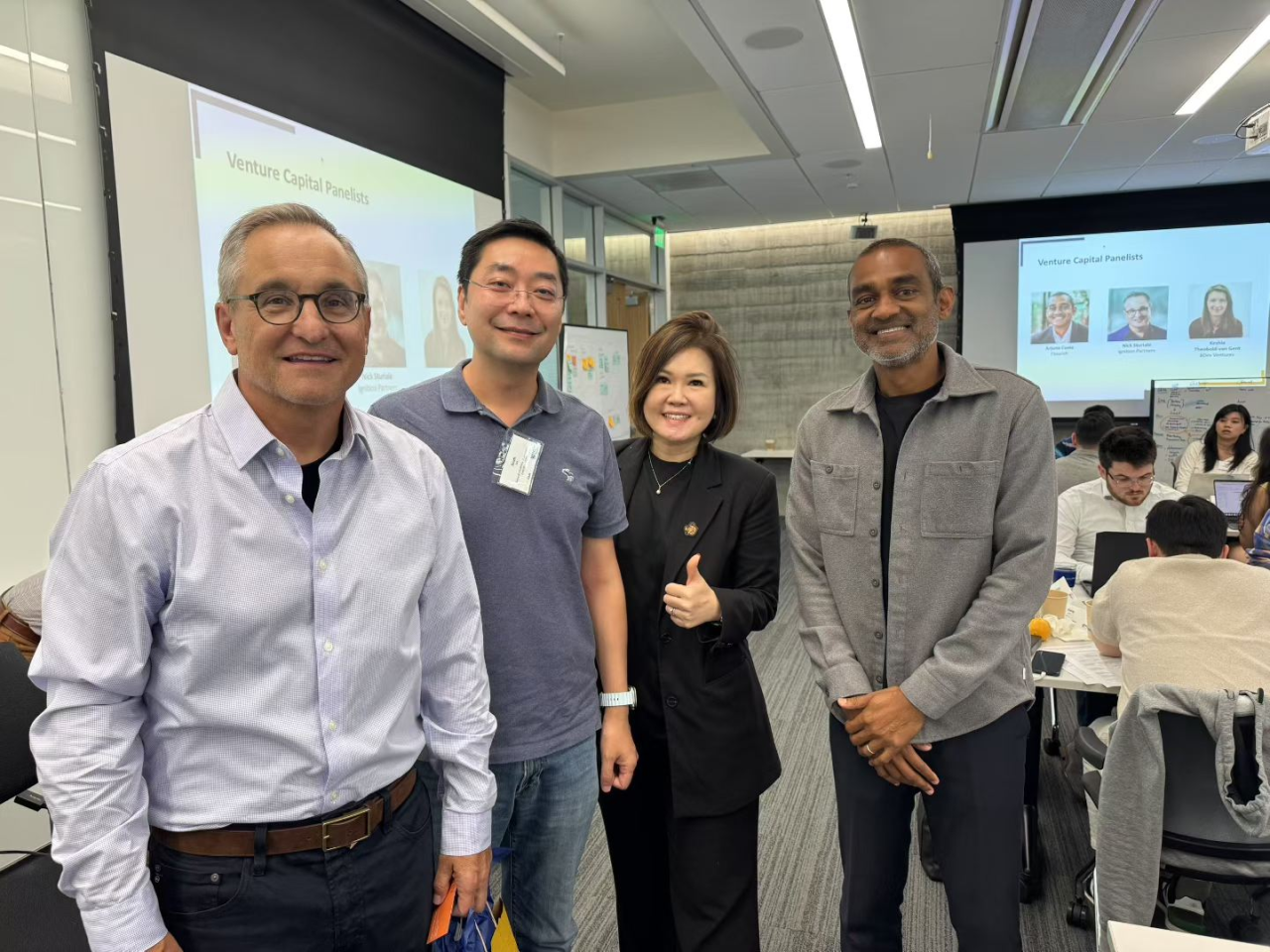
在硅谷模块中,马俊杰 (Scott) 全程以英文与来自各国的同学、当地创新生态中的从业者深度对话。
这种“零障碍”沟通的体验,让他真切体会到,英文项目带来的远不只是语言工具,更是进入国际主流圈层、调动资源、协同决策的实战通行证。
从这一次选择开始
对马俊杰 (Scott) 而言,NUS EMBA(英文)不仅是一段学习经历,更是他实现全球化愿景的第一步。
如果你也在思考:
如何跳出中国市场的存量竞争?
如何在陌生的文化环境中建立信任?
哪里能找到真正多元、能激发颠覆性思维的学习社区?
那么,NUS EMBA(英文)将是你回报率最高的一笔全球化战略投资。
Redefining Global Decision-Making Across Seven Asian Cities
As the global economic landscape is reshaped and corporate internationalization accelerates, more entrepreneurs are coming to realize that the real challenge is no longer simply about “going global,” but about making sound decisions consistently across vastly different systems, markets, and cultures.
Ma Junjie (Scott), Founding Partner of Boquan Capital and Chairman of Shanghai Pony Village Incubator Technology Group, is a seasoned entrepreneur with years of experience in semiconductor and hard-tech investments.
At a critical juncture in his company’s global expansion, he chose not to remain within a familiar language environment.
Instead, he enrolled in the English NUS Executive MBA program to strengthen his strategic capabilities and prepare for the next phase of global growth.
His journey may offer an answer to a fundamental question of our time: Why do Chinese entrepreneurs need to step beyond their comfort zones and enter an English-led, truly global classroom?
Not Study Tours, but Seven Shifts in Mindset
One of the NUS English Executive MBA program’s most distinctive strengths lies in its diversified market exposure.
Over 15 months, the program takes participants across seven cities – Singapore, Jakarta, Shanghai, Tokyo, Dubai, Bangalore, and Bangkok.
This goes far beyond a typical “study tour.” Instead, it is a deliberate process of continuously recalibrating how leaders think and make decisions across very different institutional contexts, stages of market development, and business logic.
Singapore
Jakarta
Bangkok
Dubai
Tokyo
Bangalore
Shanghai
During the Indonesia segment, Ma Junjie (Scott) quickly identified a significant market opportunity.
“With a population of nearly 300 million and an average age under 30, Indonesia today feels very much like China 20 years ago,” he observed.
Leveraging this insight, he helped connect a Chinese two-wheeler electric vehicle supply chain company with Indonesia’s strong local demand for 30 million helmets effectively bridging China’s manufacturing capabilities with on-the-ground market needs.
Each city represents a distinct piece of Asia’s economic landscape.
By constantly shifting contexts, this learning approach transforms the classroom itself into a real-world simulation of global business in action.
Training Global Decision-Making Beyond the Native Language
“Going global is no longer a choice. It is an inevitable trend,” Ma Junjie (Scott) emphasized repeatedly during his sharing.
Yet, in his view, true global expansion is far more than simply replicating an existing business overseas.
It requires entering a deep cross-border journey where there is no retreat to the comfort of one’s native language.
This was precisely why he chose the NUS English Executive MBA.
More than just learning in English, the program offers training that closely mirrors real-world global business environments, helping participants to:
Engage in strategic discussions in a non-native language
Navigate differences and resolve disagreements across cultures
Build alignment and consensus across diverse values
Ma Junjie (Scott) felt this shift deeply and shared an interesting observation:
“In China, we’re used to gathering around large round tables for meals, where roles and hierarchy are clearly defined. In the English-taught NUS Executive MBA, however, interactions often take the form of Western-style cocktail receptions. There are no assigned seats - everyone stands, drink in hand, moving freely between conversations. You learn how to clearly articulate your business logic in English within three minutes.”
From "Going Global" to Truly Integrating – A Soft Landing
Ma Junjie (Scott) noted, “NUS operates Block71 incubators in Silicon Valley and across Southeast Asia. For hard-tech investors and entrepreneurs like us, entering an unfamiliar market becomes much easier when you can land directly through a university-backed incubator. It’s not just about securing office space – more importantly, it provides immediate access to local innovation communities and policy ecosystems.”
This access goes well beyond physical infrastructure, extending into cross-border talent networks and long-term collaboration opportunities.
Through the global learning platform connected by the NUS English Executive MBA, Ma Junjie (Scott) came to appreciate that the program builds not a network centered on any single country or region, but a truly diverse, cross-system global community of senior executives.
Through the GNAM (Global Network for Advanced Management) “EMBA Global Network Week,” he engaged in in-person exchanges with EMBA participants from 33 leading business schools worldwide, representing a wide range of industries, and discussed real management challenges drawn directly from their respective markets.
In addition, the program’s diverse elective modules further deepen this sense of global engagement.
During the Silicon Valley module, Ma Junjie (Scott) participated fully in English-language discussions with classmates from different countries as well as practitioners within the local innovation ecosystem.
This experience of seamless, barrier-free communication made it clear to him that an English program offers far more than language proficiency.
It serves as a practical passport to the global mainstream enabling access to resources, collaboration across borders, and effective collective decision-making.
Begin with This Choice
For Ma Junjie (Scott), the NUS English Executive MBA represents more than an academic journey. It marks the first step in turning his global vision into reality.
If you are also asking yourself:
How can I move beyond saturated competition in the China market?
How can I build trust in unfamiliar cultural environments?
Where can I find a truly diverse learning community that sparks disruptive thinking?
Then the NUS English Executive MBA may well be your highest-return strategic investment in globalization.
# 推荐阅读 #
NUS蝉联QS世界大学排名亚洲第1、全球第8!
招生简章 | 新加坡国立大学2026级EMBA高级工商管理硕士学位课程
联系方式
电话:
+65 6601 6944 +65 6601 7753
+65 6516 8656 +65 6516 8352

了解项目详情,咨询项目申请

关注最新资讯,深入学习社群
邮件:embac@nus.edu.sg
地址:
新国大EMBA招生办公室
新加坡国立大学商学院研究生办公室
NUS Business School, 15 Kent Ridge Drive,
Singapore 119245
网站:embac.nus.edu.sg
*声明:新加坡国立大学EMBA项目为国大商学院自主招生,无任何中介机构合作,无招生代理。申请人可直接联系新国大EMBA市场招生办公室进行咨询和申请。
点击“阅读原文”即刻申请新国大EMBA
分享到: